
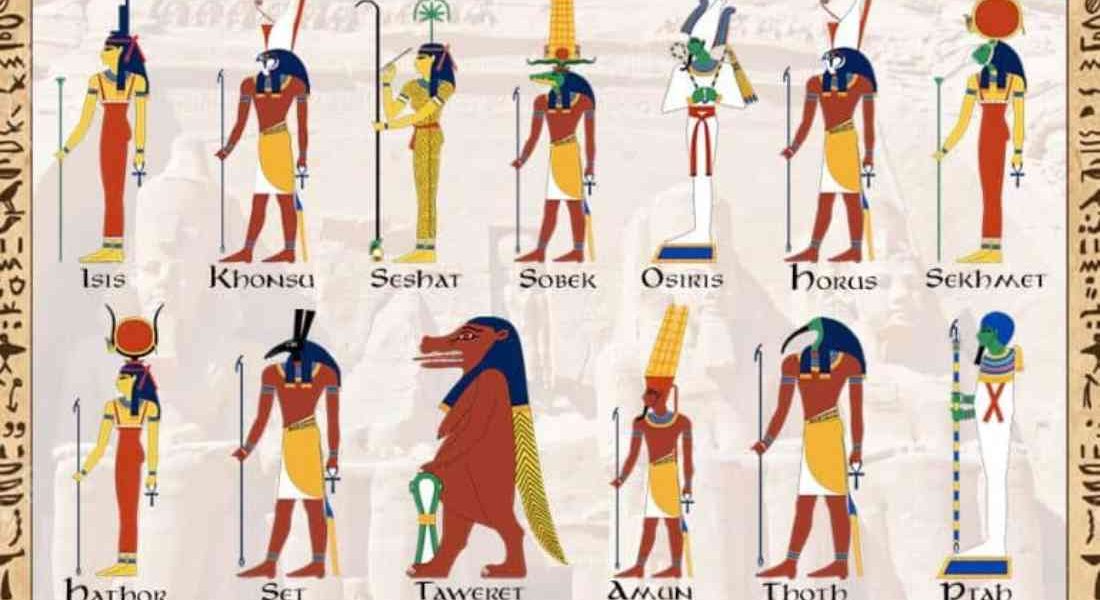
The Gods of Egypt: A Unique Perspective on Ancient Spirituality
The ancient Egyptian civilization is renowned for its fascinating pantheon of gods, each symbolizing profound aspects of life, death, and the cosmos. The Gods of Egypt were more than mere figures of worship; they were deeply intertwined with the cultural, spiritual, and daily life of the people. Let’s explore their roles and enduring legacy from a fresh perspective.
A Dynamic Pantheon Reflecting Universal Forces
Unlike static religious systems, the Egyptian gods represented dynamic forces of nature and human existence. These deities were not separate from the world but integral to its functioning. Their stories and relationships often mirrored the Egyptians’ understanding of balance, conflict, and renewal.
Key Deities in the Egyptian Cosmos : Gods of Egypt
- Amun-Ra: Unlike Ra as merely the sun god, Amun-Ra embodied the union of hidden potential (Amun) and visible power (Ra). This duality signified creation itself, an idea that resonated deeply with the Egyptians’ vision of divine omnipresence.
- Ma’at: The goddess of truth and cosmic balance, Ma’at was more than a deity; she was a principle that governed the universe. The Egyptians viewed their actions as contributions to maintaining or disrupting this balance.
- Hathor: Often overlooked, Hathor was the goddess of joy, love, and music. Beyond her nurturing nature, she represented the delicate link between divine blessings and human happiness.
- Sobek: The crocodile-headed god symbolized protection and strength, guarding against chaos. Sobek’s association with the Nile emphasized his importance in ensuring prosperity through fertile lands.
Gods as Guardians of the Afterlife : Gods of Egypt
The Egyptians’ obsession with the afterlife gave rise to intricate rituals guided by their gods:
- Anubis, with his jackal head, was the protector of graves and the guide of souls. His presence symbolized safety on the perilous journey to eternity.
- Osiris, not just a king of the afterlife but also a representation of regeneration, inspired the belief that death was merely a transition.
A Social and Cultural Impact :Gods of Egypt
While many civilizations saw their gods as distant figures, Egyptians believed their deities actively participated in everyday life. Temples were bustling centers of activity, where priests performed sacred rituals while the common people connected with their gods through personal practices like wearing amulets or reciting prayers.
Interpreting Egyptian Mythology in Modern Context
What sets the Gods of Egypt apart is their enduring relevance. Today, they are studied not only for their historical and religious significance but also for their universal themes. The idea of maintaining balance (Ma’at) or facing cycles of renewal (Osiris) resonates with modern philosophies and spiritual practices.
The Legacy of Gods of Egypt
The impact of Egyptian mythology can be seen across time, influencing Greek, Roman, and even contemporary cultures. Modern interpretations in literature, movies, and art reflect their timeless allure. The gods of Egypt continue to serve as a bridge connecting ancient wisdom with contemporary understanding.
Conclusion
The Gods of Egypt were more than mythical figures; they were embodiments of the Egyptians’ worldview and aspirations. By understanding their multifaceted roles, we gain insight into the sophistication of a civilization that shaped human history. These gods remain eternal, offering lessons in harmony, resilience, and the mysteries of existence.
Keywords: Egyptian gods, ancient mythology, Ma’at, Amun-Ra, Sobek, afterlife beliefs, ancient Egyptian culture, gods and spirituality, Egyptian legacy.
Egypt Tours And Trips
Ancient wonders. Hidden treasures. Endless seas and golden sand. Make lifelong memories on our Egypt tours.
Once a land of dynasties and decadence; now a land where time stands still. Our Egypt Journeys sets you in the shadows of history. At the foot of the legendary Great Pyramids. In the heart of the tomb-strewn Valley of the Kings. Or before the mighty temples of Abu Simbel.
That’s not all. Our tours to Egypt offer what money can’t buy. Like once-in-a-lifetime opportunities. Rare experiences. And life-long friendships with your fellow travellers.