
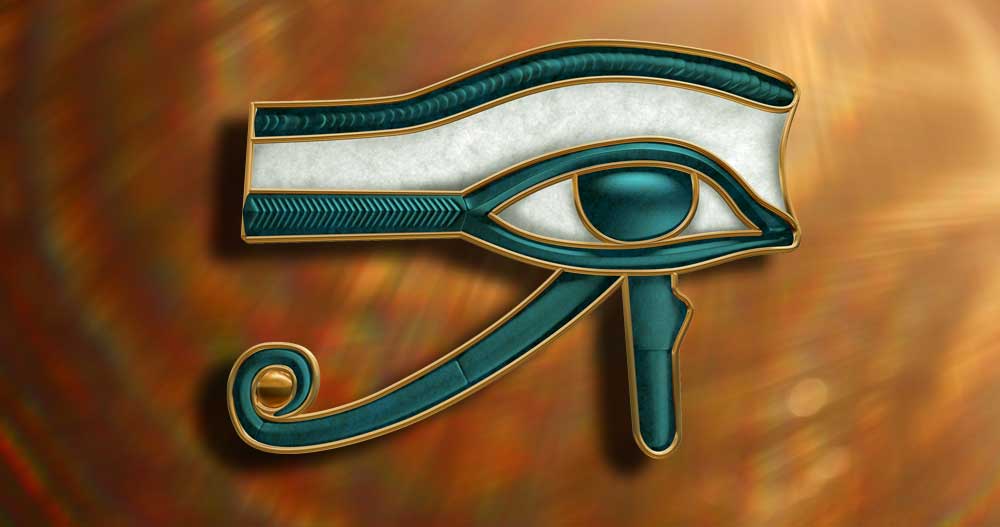
The Eye of Horus: A Timeless Symbol of Protection and Power
The Eye of Horus, also known as the Wadjet, is one of the most iconic symbols of ancient Egyptian culture. Revered for its mystical significance, the Eye of Horus represents protection, healing, and divine power. This potent emblem continues to captivate historians, spiritualists, and enthusiasts around the globe, embodying the timeless allure of ancient Egypt.
Origins and Mythology
The Eye of Horus finds its roots in Egyptian mythology, particularly in the story of the sky god Horus and his fierce battle with Set, the god of chaos. During their epic struggle, Horus lost one of his eyes. The missing eye was later restored by the god Thoth, symbolizing healing and renewal. This act imbued the Eye of Horus with its protective and regenerative qualities.
The symbol’s association with Horus also tied it to royalty, as Horus was often depicted as a falcon-headed deity and the divine protector of the pharaohs. Consequently, the Eye of Horus became a powerful amulet for safeguarding the living and guiding the dead on their journey to the afterlife.
The Sacred Geometry
The design of the Eye of Horus is steeped in sacred geometry, combining six parts that represent the six senses: sight, smell, thought, hearing, taste, and touch. Ancient Egyptians used the symbol not only as a religious icon but also in mathematical calculations and healing rituals. Each fraction of the eye corresponds to a measurable unit, showcasing the Egyptians’ advanced understanding of science and spirituality.
Spiritual and Protective Power
Throughout history, the Eye of Horus has been worn as a talisman to ward off evil spirits, negative energies, and ill health. Ancient sailors used it to ensure safe voyages, while modern spiritualists regard it as a beacon of intuition and inner wisdom.
Its use in funerary rites was also significant, as Egyptians believed the symbol could protect the deceased and help them achieve immortality. Tomb paintings, jewelry, and carvings often featured the Eye of Horus to invoke its divine guardianship.
The Eye of Horus in Modern Culture
In contemporary times, the Eye of Horus continues to resonate across various domains. It frequently appears in tattoo designs, jewelry, and art, symbolizing protection and spiritual awakening. In esoteric practices, it is a prominent symbol in alchemy and mysticism, representing enlightenment and the third eye chakra.
Moreover, its design influences popular culture, seen in movies, books, and even corporate logos, where it conveys mystery, knowledge, and power.
Why the Eye of Horus Remains Relevant
The Eye of Horus endures as a timeless symbol due to its universal themes of protection, healing, and transformation. Its unique blend of mythology, art, and science makes it a subject of fascination for archaeologists, spiritual seekers, and artists alike.
Whether you’re drawn to its mystical significance or its rich history, the Eye of Horus remains a powerful emblem connecting humanity to its ancient past and spiritual heritage.
Egypt Tours And Trips
Ancient wonders. Hidden treasures. Endless seas and golden sand. Make lifelong memories on our Egypt tours.
Once a land of dynasties and decadence; now a land where time stands still. Our Egypt Journeys sets you in the shadows of history. At the foot of the legendary Great Pyramids. In the heart of the tomb-strewn Valley of the Kings. Or before the mighty temples of Abu Simbel.
That’s not all. Our tours to Egypt offer what money can’t buy. Like once-in-a-lifetime opportunities. Rare experiences. And life-long friendships with your fellow travellers.